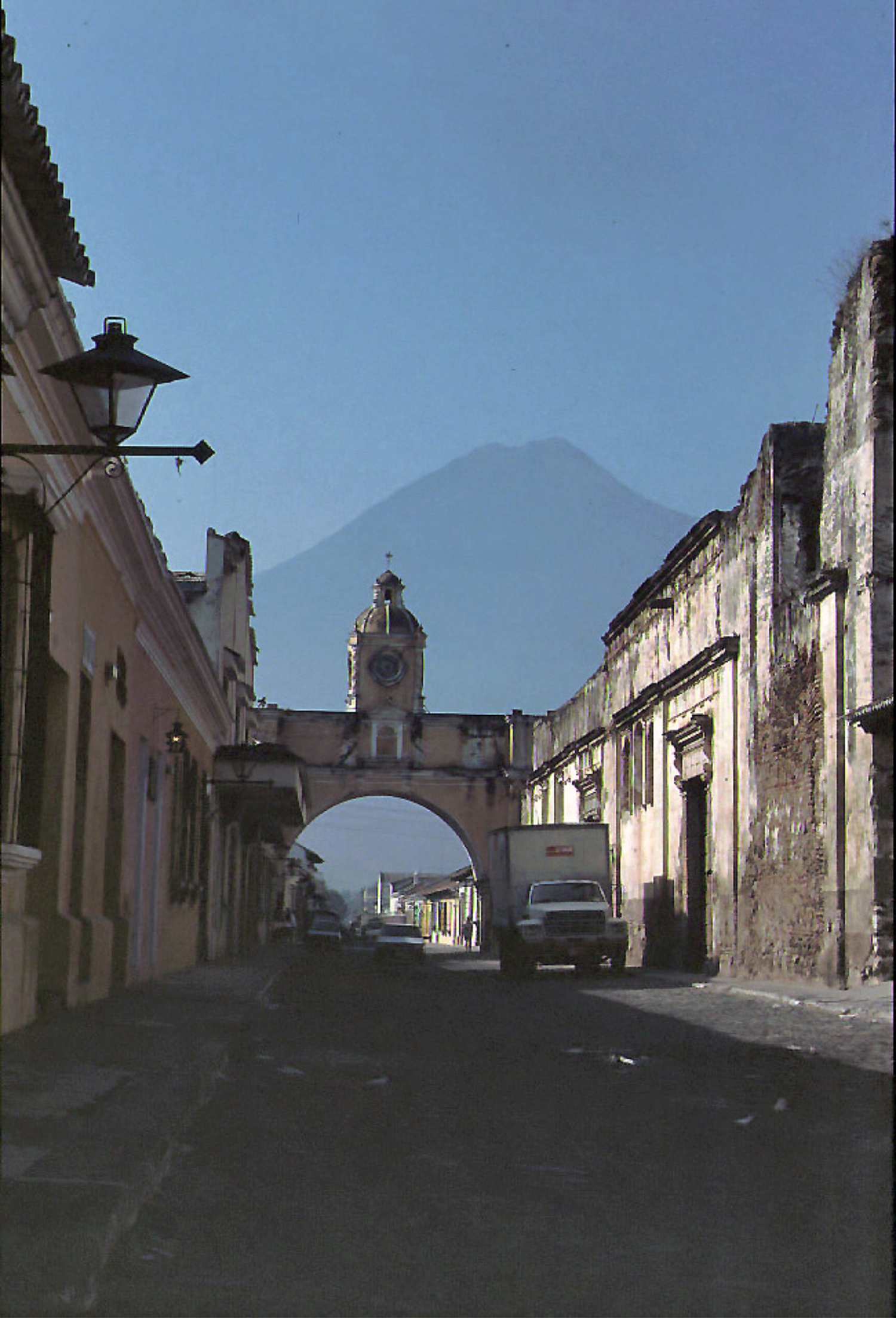
Volcan de Agua
Location: 14.465° N, 90.743° W
Elevation: 3.760 m
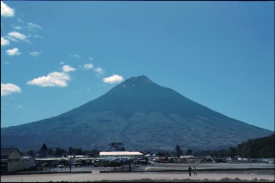
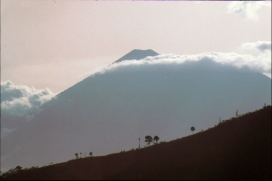
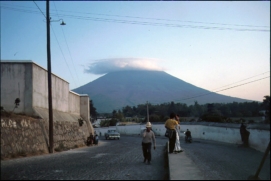
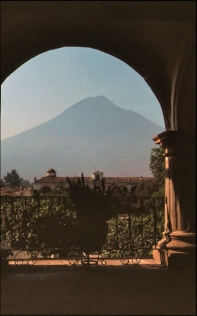
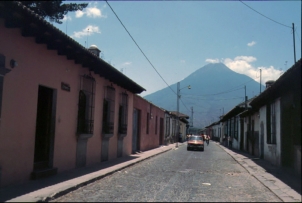
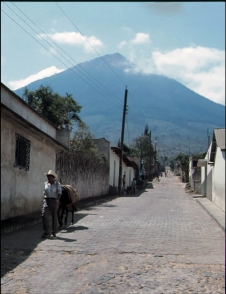
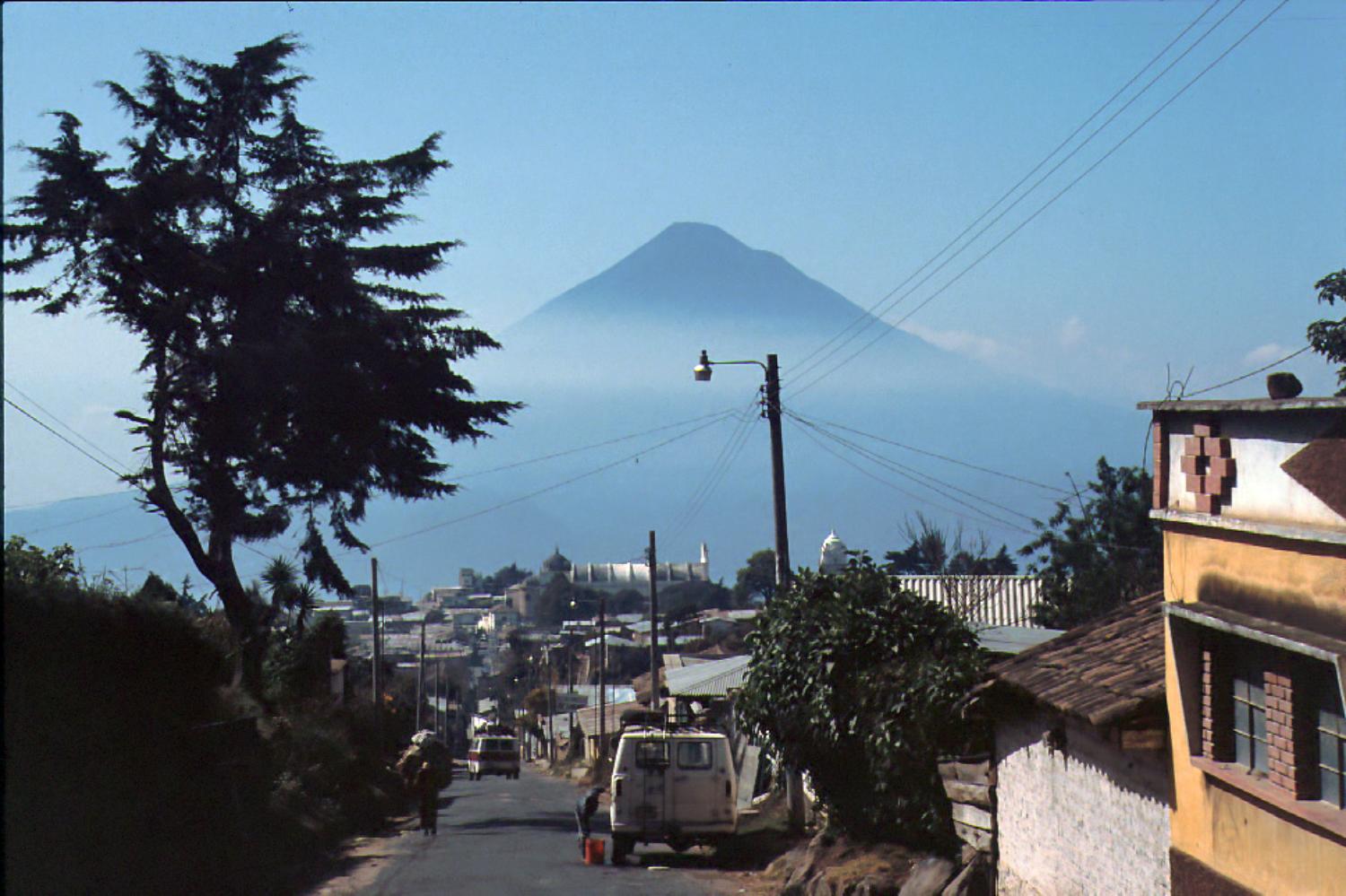
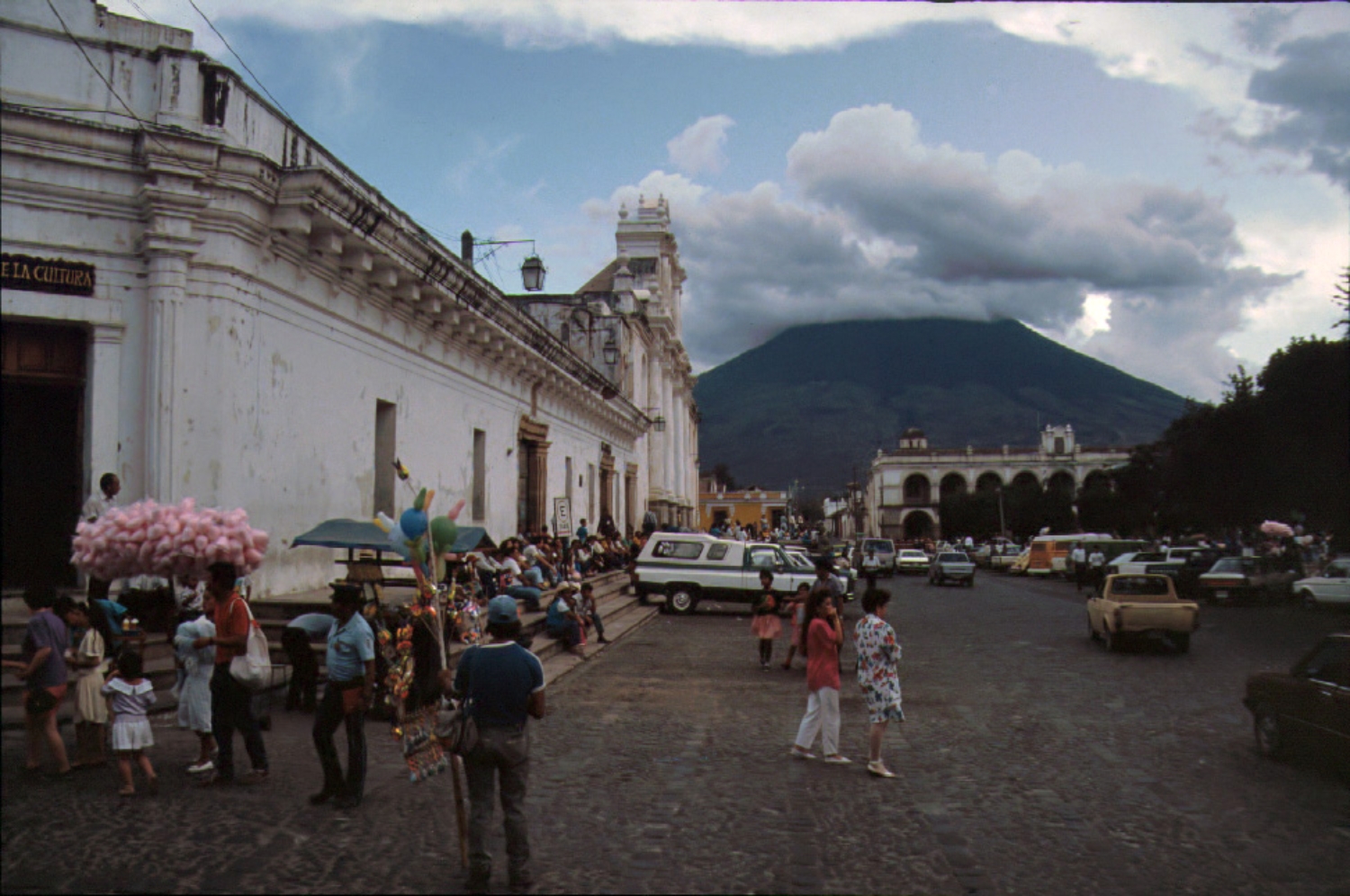
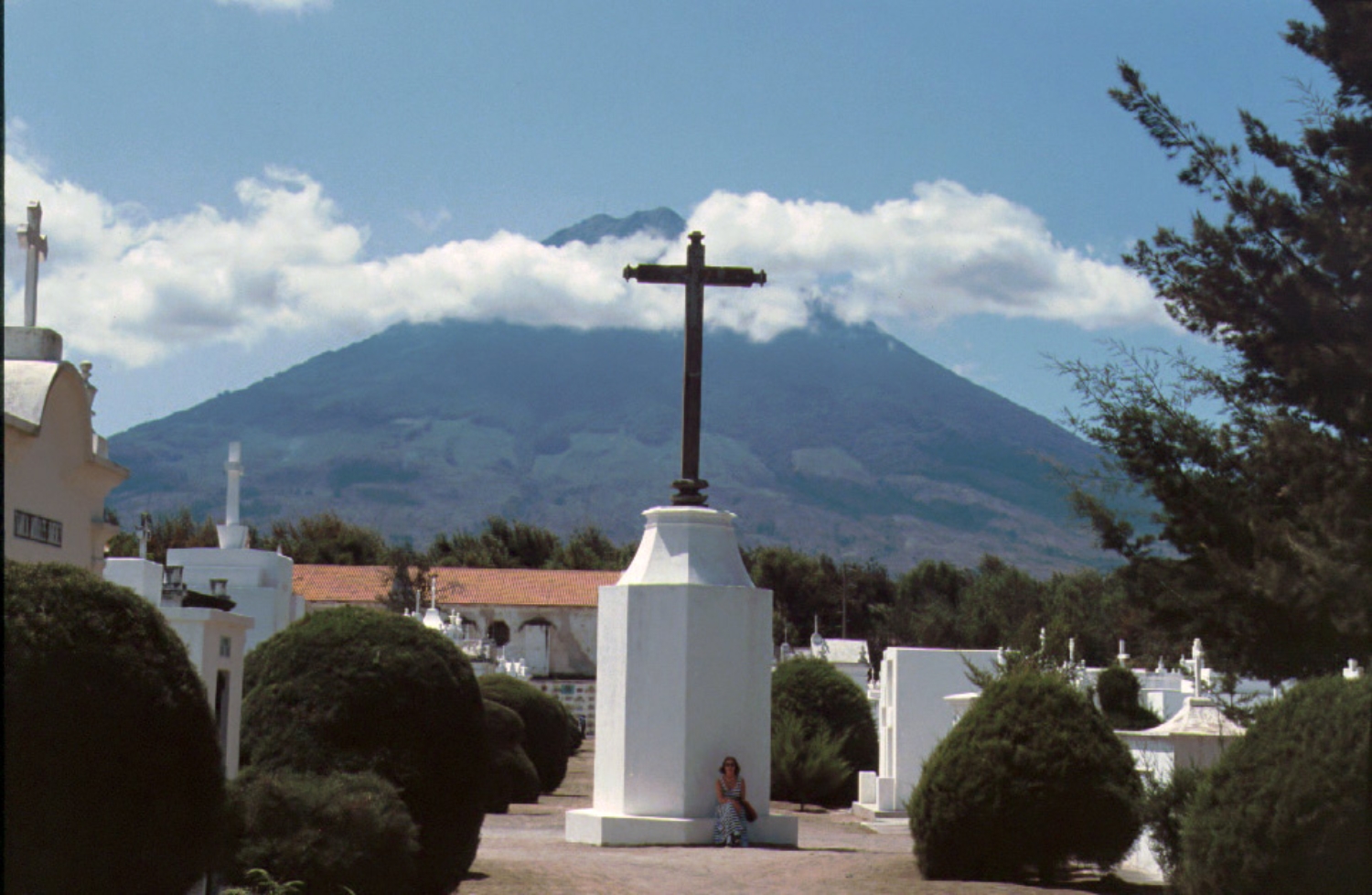
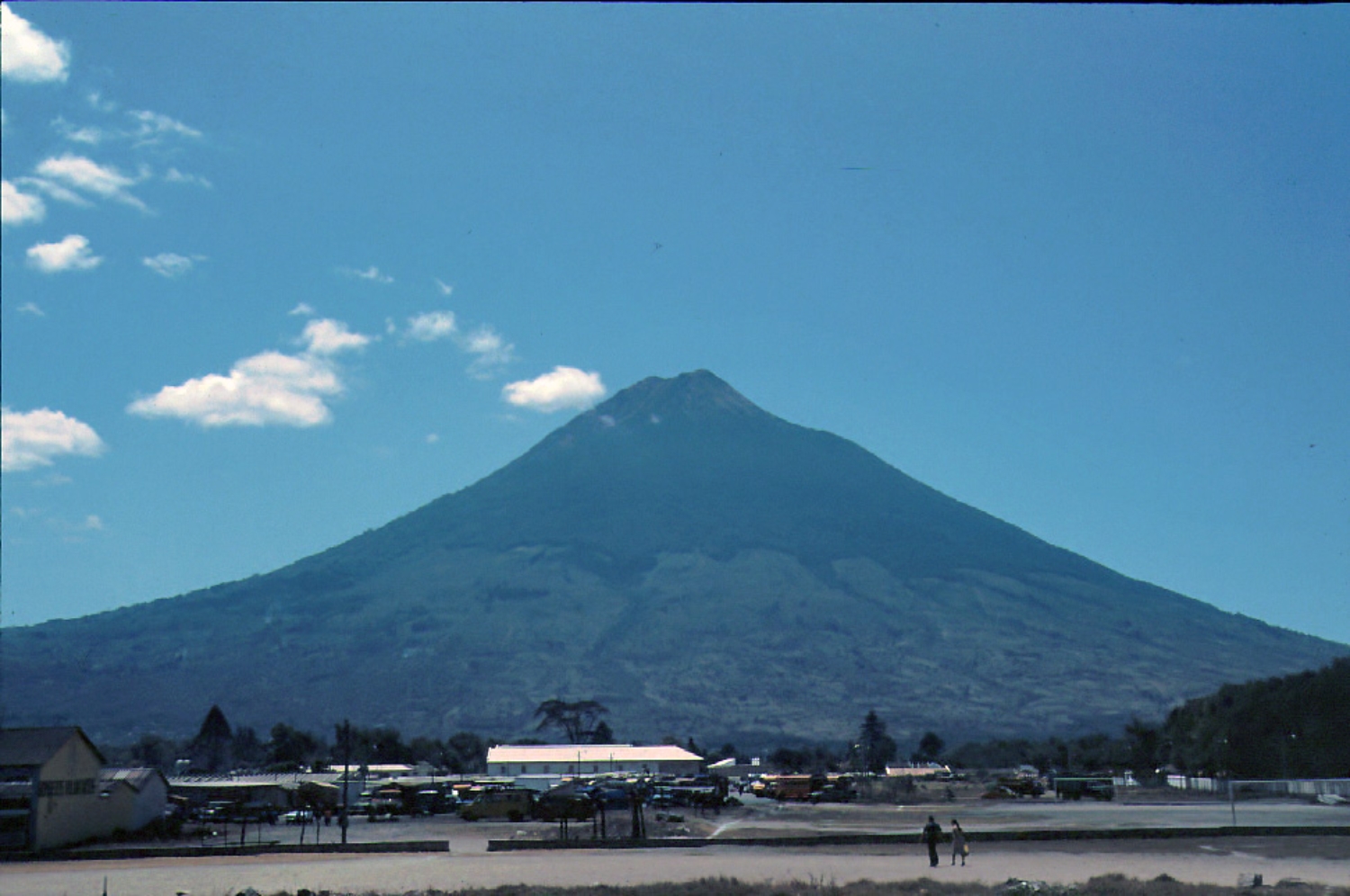
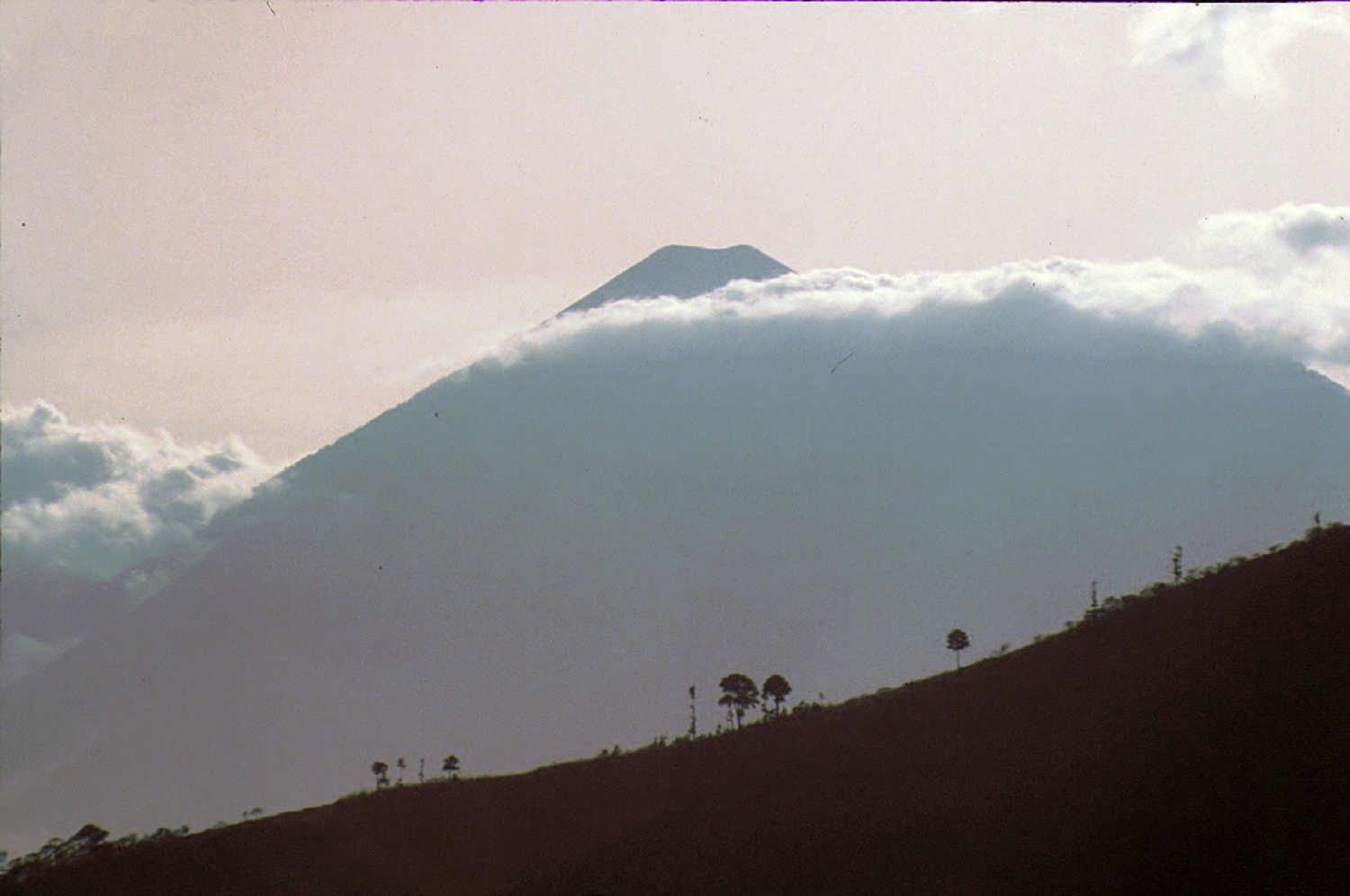
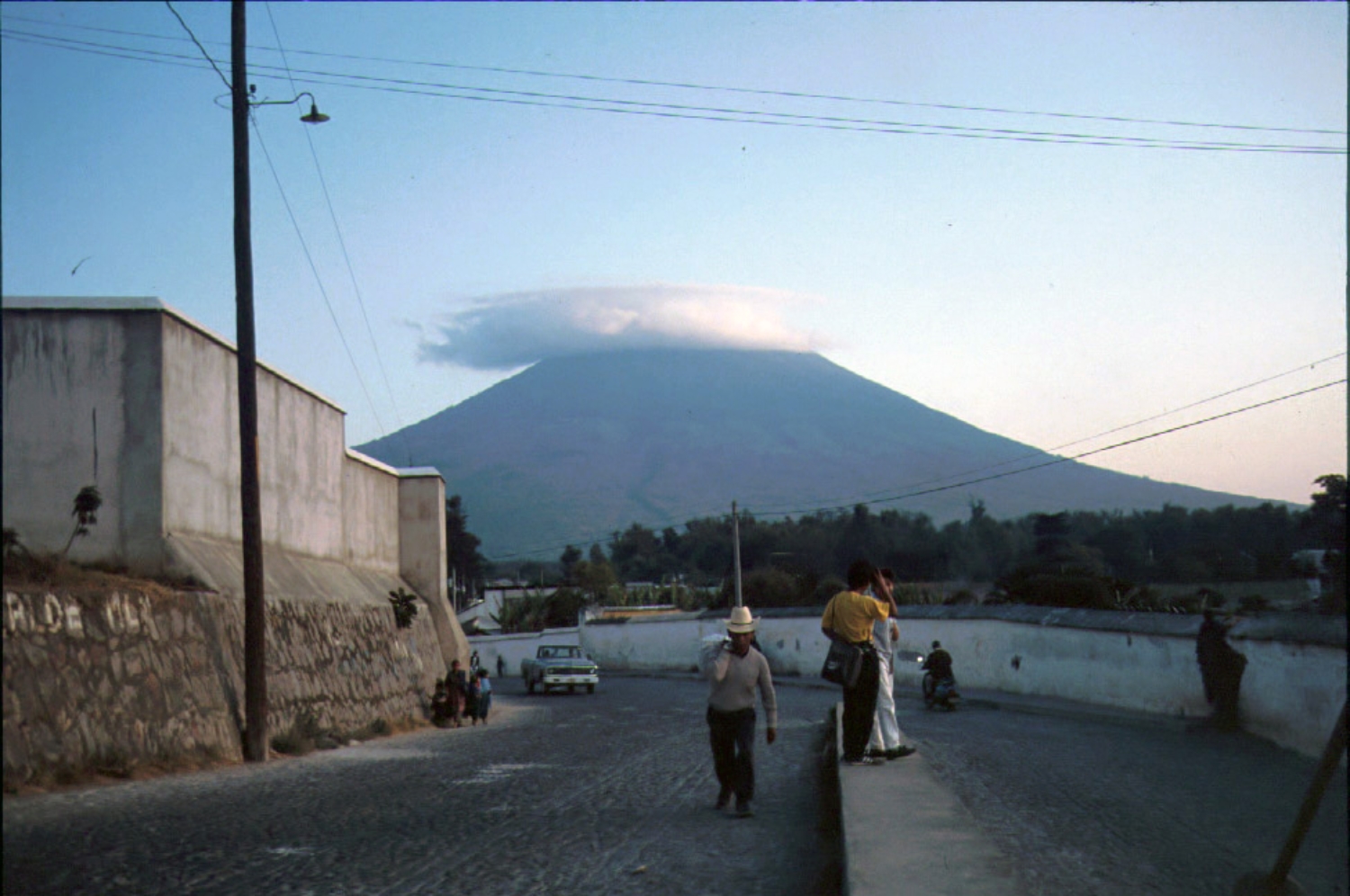
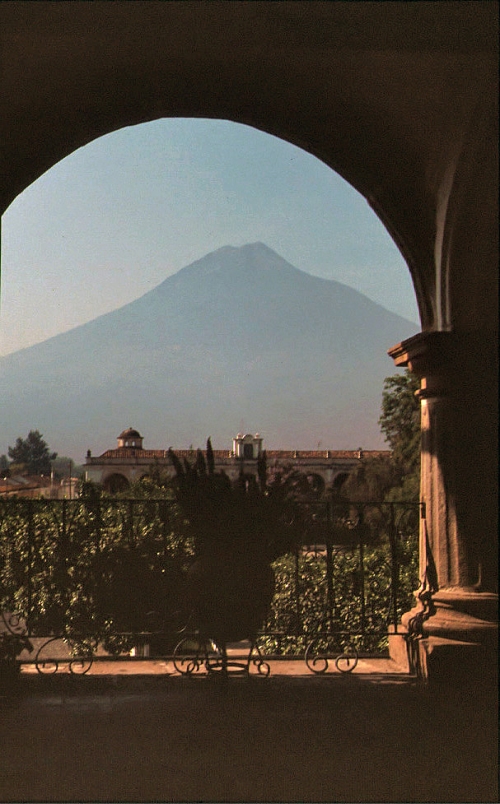
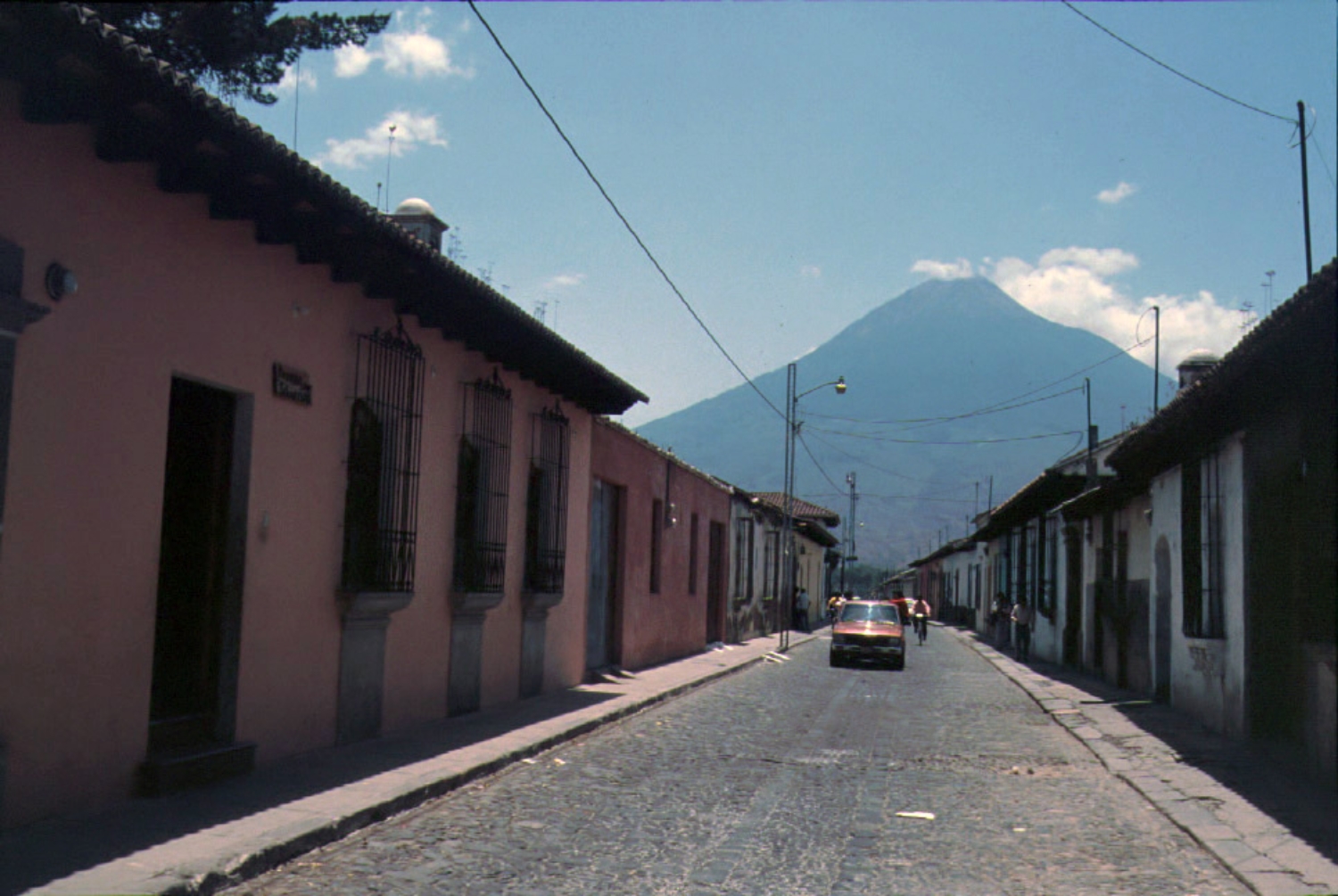
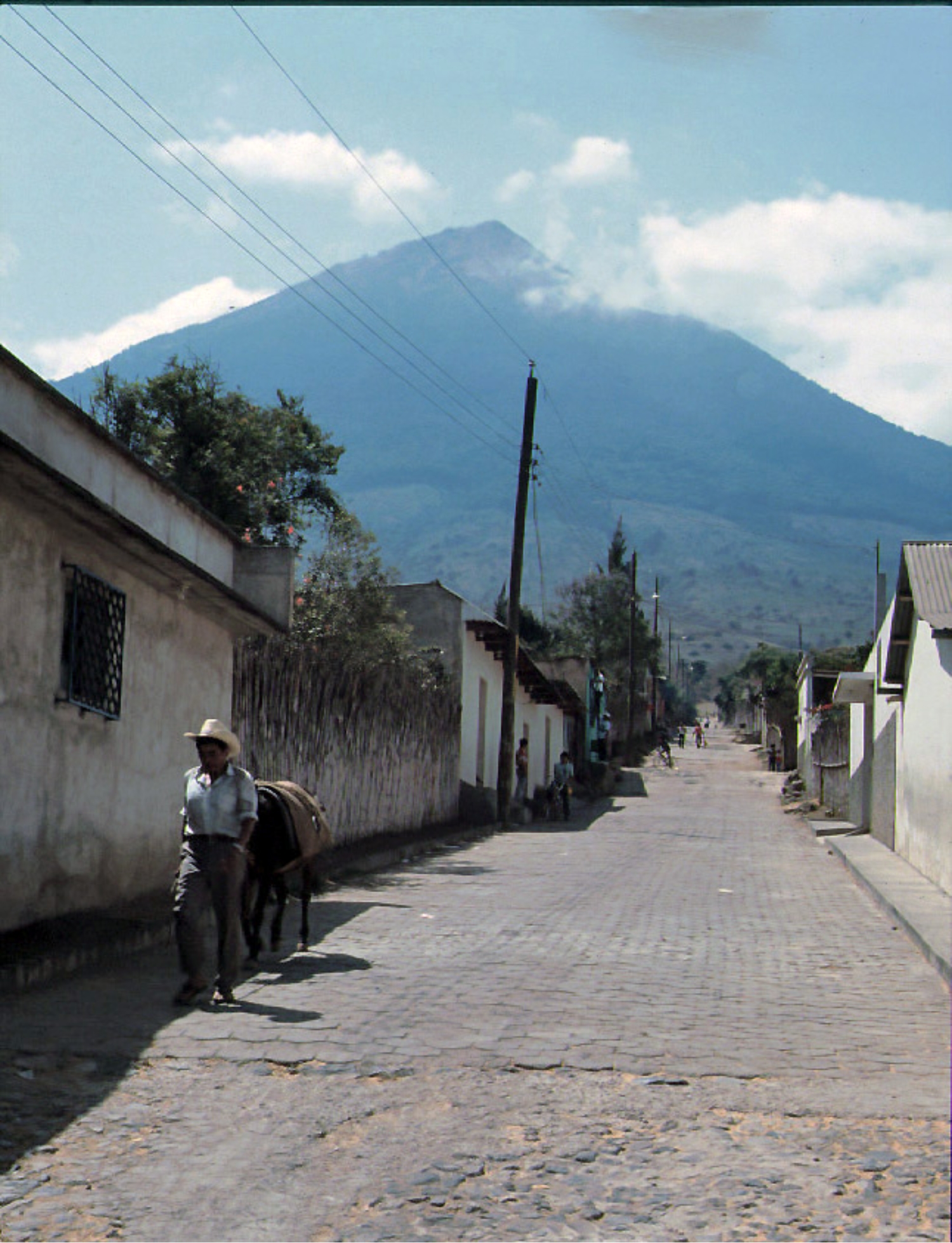
The symmetrical, forested Volcán de Agua stratovolcano forms an impressive backdrop to the historic former capital city of Antigua Guatemala,
opposite the twin volcanoes of Fuego and Acatenango. The 3760-m-high
basaltic-andesite to andesite Agua volcano has an isolated position that
makes it a prominent landmark from all directions. A small, 280-m-wide
circular crater is breached on the NNE side. Six small pit craters are located
on the NW flank, and two small cones lie on the south flank. Agua's
symmetrical profile implies a relatively young age, although currently no
dated Holocene tephra deposits are known. Agua has had no historical
eruptions, but its name (the water volcano) originates from a devastating
mudflow on September 11, 1541. The mudflow destroyed the first
Guatemalan capital city established by the Spanish Conquistadors, which is
now known as Ciudad Vieja. The catastrophe prompted the establishment of
a new capital city at nearby Antigua. (Global Volcanism Program)
impressive backdrop to the historic former capital city of Antigua Guatemala,
opposite the twin volcanoes of Fuego and Acatenango. The 3760-m-high
basaltic-andesite to andesite Agua volcano has an isolated position that
makes it a prominent landmark from all directions. A small, 280-m-wide
circular crater is breached on the NNE side. Six small pit craters are located
on the NW flank, and two small cones lie on the south flank. Agua's
symmetrical profile implies a relatively young age, although currently no
dated Holocene tephra deposits are known. Agua has had no historical
eruptions, but its name (the water volcano) originates from a devastating
mudflow on September 11, 1541. The mudflow destroyed the first
Guatemalan capital city established by the Spanish Conquistadors, which is
now known as Ciudad Vieja. The catastrophe prompted the establishment of
a new capital city at nearby Antigua. (Global Volcanism Program)
 HOME
HOME
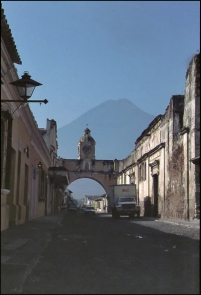
impressive backdrop to the historic former capital city of Antigua Guatemala,
opposite the twin volcanoes of Fuego and Acatenango. The 3760-m-high
basaltic-andesite to andesite Agua volcano has an isolated position that
makes it a prominent landmark from all directions. A small, 280-m-wide
circular crater is breached on the NNE side. Six small pit craters are located
on the NW flank, and two small cones lie on the south flank. Agua's
symmetrical profile implies a relatively young age, although currently no
dated Holocene tephra deposits are known. Agua has had no historical
eruptions, but its name (the water volcano) originates from a devastating
mudflow on September 11, 1541. The mudflow destroyed the first
Guatemalan capital city established by the Spanish Conquistadors, which is
now known as Ciudad Vieja. The catastrophe prompted the establishment of
a new capital city at nearby Antigua. (Global Volcanism Program)
 HOME
HOME